Understanding Metal Roofing and Its Benefits
Metal roofing has emerged as a popular choice for homeowners and businesses, particularly in urban environments like Toronto and the Greater Toronto Area (GTA). Known for its durability and aesthetic appeal, metal roofing is designed to withstand the harsh climate of this region, making it a smart investment for property owners. When exploring options, metal roofing Toronto provides comprehensive insights into the benefits, types, and installation methods available that cater to various needs.
What is Metal Roofing?
Metal roofing encompasses various materials such as steel, aluminum, copper, and zinc. These materials are engineered to provide long-lasting protection against weather elements, including heavy rain, snow, and extreme temperatures. Unlike traditional asphalt shingles, metal roofing systems can resist wind, fire, and corrosion, offering a superior alternative that continues to gain popularity among homeowners in Toronto.
Key Advantages of Metal Roofing in Toronto
- Durability: Metal roofs are built to last; they can withstand severe weather conditions, making them an ideal choice for the erratic climate of Toronto.
- Energy Efficiency: Many metal roofing options reflect sunlight, which can help reduce cooling costs in the summer.
- Low Maintenance: Metal roofs require minimal upkeep compared to traditional roofing materials, saving homeowners both time and money in the long run.
- Environmental Sustainability: Metal roofing is often made from recycled materials and is fully recyclable at the end of its life cycle, contributing to sustainable building practices.
Cost-Effectiveness and Longevity of Metal Roofs
While the initial investment for metal roofing may be higher than asphalt shingles, the long-term savings due to reduced maintenance and replacement costs make it a cost-effective choice. Metal roofs can last 40 to 70 years, significantly longer than traditional roofing materials, which often need replacement every 15-20 years. This longevity translates into fewer materials being sent to landfills and a smaller carbon footprint over time.
Different Types of Metal Roofing Available
Popular Metal Roofing Materials in Toronto
In Toronto, homeowners have access to a range of metal roofing materials, each offering unique benefits:
- Steel: Known for its strength and durability, steel roofing is often galvanized or coated to prevent rust and corrosion, making it suitable for the Toronto climate.
- Aluminum: Lightweight and resistant to corrosion, aluminum roofs are ideal for coastal areas but are also gaining traction in inland locations due to their energy-efficient properties.
- Copper: Offering a unique aesthetic appeal, copper roofs develop a patina over time, showcasing a beautiful green finish that can last for generations.
- Metal Tiles: These mimic the appearance of traditional roofing materials while providing the benefits of metal, combining style with functionality.
Comparing Metal Roof Styles and Finishes
Homeowners can choose from a variety of styles and finishes when selecting metal roofing. Options include standing seam, corrugated panels, and shingles. Each type offers distinctive aesthetics and functional advantages, allowing homeowners to select the best match for their property's design. Additionally, finishes can be customized to enhance durability and resistance to fading, ensuring long-lasting beauty.
Choosing the Right Metal Roofing for Your Property
When selecting the appropriate metal roofing, consider factors such as the local climate, the architecture of your home, and your budget. Consulting with a professional roofing contractor can provide valuable insights and recommendations tailored to your specific needs.
The Installation Process of Metal Roofing
Preparing Your Home for a Metal Roof Installation
Before installation begins, it's essential to prepare your home adequately. This involves assessing the current roof condition, obtaining necessary permits, and scheduling a time for installation that considers weather conditions. Proper preparation ensures a smooth and efficient installation process.
Step-by-Step Guide to Installing Metal Roofing
- Remove Old Roofing: If replacing an existing roof, the old materials must be removed to ensure a clean surface for the new metal roofing.
- Inspect the Roof Deck: Check for any damage or rot in the roof deck and make necessary repairs.
- Install Underlayment: A moisture barrier is applied to protect against leaks and enhance energy efficiency.
- Install Flashing: Areas around chimneys, vents, and walls should be flashed to prevent water intrusion.
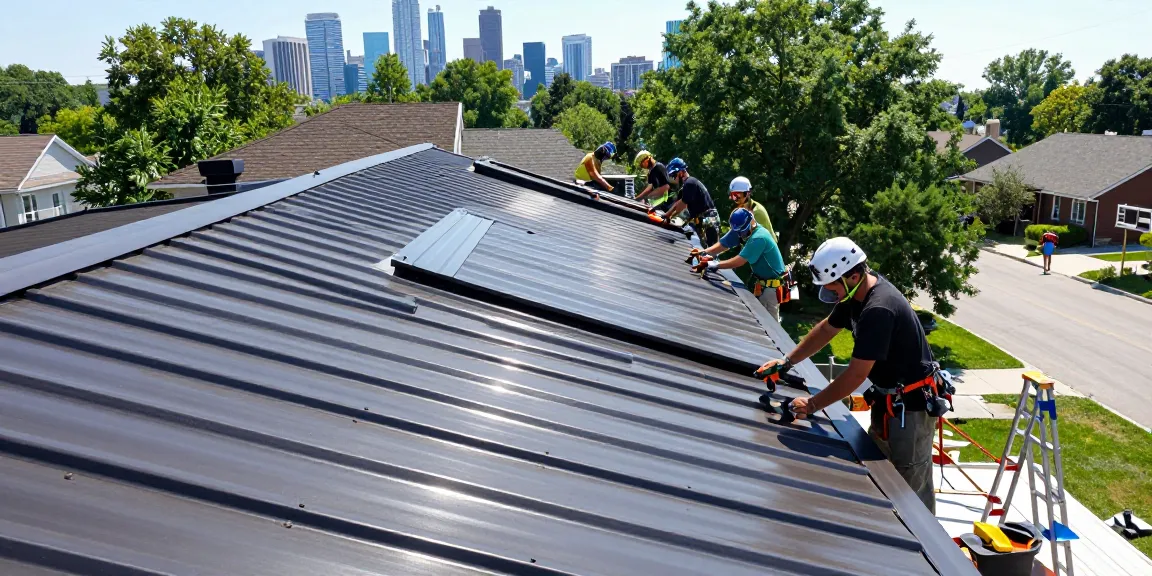
- Install Metal Panels: The panels are carefully installed in sequence, ensuring overlaps and securing them against wind uplift.
- Final Inspections: After installation, the roof should be inspected for any potential issues, ensuring a proper seal and functionality.
Post-Installation Checks and Maintenance Tips
Once your metal roof is installed, regular maintenance checks are essential. Inspect the roof for debris, check seals around flashing, and ensure gutters are clear. These simple steps can prolong the life of your metal roofing and maintain its appearance.
Selecting a Qualified Roofing Company in Toronto
What to Look for in a Metal Roofing Contractor
Choosing the right roofing company is crucial for ensuring a successful installation. Look for contractors who are licensed, insured, and have a solid reputation in the community. Verify their experience specifically with metal roofing projects, as this expertise can significantly impact the quality of your installation.
Questions to Ask Your Roofing Company
When interviewing potential contractors, ask about their previous projects, warranties offered, and the type of materials they recommend. It's also helpful to inquire about their installation process and timelines to ensure they align with your expectations.
Reading Reviews and Assessing Reputation
Researching reviews online and asking for references from past customers can provide insights into a roofing company's reliability and quality of service. A reputable contractor will be open to sharing customer feedback and testimonials.
Future Trends in Metal Roofing for 2026 and Beyond
Innovations in Metal Roofing Technology
As technology advances, metal roofing is poised to benefit from innovations such as enhanced coatings that improve energy efficiency and aesthetics. Smart roofing systems equipped with sensors for monitoring performance and weather conditions are also on the horizon, providing homeowners with valuable data to manage their roofs proactively.
Sustainable Practices in Metal Roofing
With a growing emphasis on sustainability, many manufacturers are focusing on producing eco-friendly metal roofing solutions. These include roofing made from recycled materials and utilizing production processes with lower environmental impact. Consumers are increasingly prioritizing sustainability, further driving the adoption of metal roofs.
Forecasting Costs and Material Availability
The costs associated with metal roofing are expected to fluctuate based on supply chain dynamics and material availability. However, given its longevity and energy efficiency, metal roofing remains a worthwhile investment even as economic conditions evolve.
FAQs
What are the benefits of metal roofing? Metal roofing offers incredible durability, energy efficiency, resistance to weather, and a long lifespan, making it a practical choice for property owners in Toronto.
How long does metal roofing last in Toronto? Typically, metal roofs can last between 40 and 70 years, depending on the material and maintenance.
Can any roofing company install metal roofing? Not all roofing companies have the expertise to install metal roofing. Look for specialists with experience and positive reviews specifically in metal roofing installation.
What types of metal roofing are available in Toronto? Various types of metal roofing are available, including steel, aluminum, copper, and metal tiles, each with its unique benefits.
What maintenance does metal roofing require? Metal roofing requires minimal maintenance, but regular inspections for debris, checks for damages, and cleaning gutters are recommended to ensure longevity.